
Exploring the psychology behind casino games What keeps players coming back
The Allure of Chance and Uncertainty
The thrill of gambling is deeply rooted in the psychological concept of risk and reward. Casino games often present players with a delicate balance of uncertainty, which can be incredibly enticing. The unpredictable nature of games like slots or roulette creates a sense of adventure, activating the brain’s reward pathways. This unpredictability not only heightens excitement but also encourages players to return in hopes of finding the best online casinos australia to strike it lucky.
This appeal is magnified by the concept of the “near-miss” phenomenon, where players almost win. Such experiences can trigger feelings of hope and motivation, prompting them to gamble again. The anticipation of a big win alongside the excitement of playing creates an addictive cycle that many players find hard to resist.
The Role of Social Interaction
Certain casino games foster social dynamics that contribute to their appeal. Games like poker or blackjack are often played in communal settings, allowing players to engage with one another. This social interaction adds an additional layer of enjoyment to the experience, as players can share their successes and strategies, heightening the sense of community within the casino environment.
Furthermore, sharing a win or a thrilling moment with others can amplify emotional responses, making the gambling experience more memorable. The social aspect offers a unique incentive for players to return, as they seek not only the thrill of the game but also the camaraderie that accompanies it.
Psychological Triggers of Reward and Loss Aversion
Casino games are meticulously designed to exploit psychological principles such as the reward system and loss aversion. Players are often more motivated to avoid losses than to achieve gains, a phenomenon rooted in behavioral economics. This means that when players experience a loss, the pain of losing may spur them to return and attempt to recover their losses, often leading to more gambling.
Moreover, the concept of intermittent reinforcement plays a crucial role in player behavior. Unlike fixed rewards, which provide the same outcome every time, variable rewards keep players engaged by presenting wins at unpredictable intervals. This mechanism makes it difficult for players to step away, as they are constantly chasing the next win, hoping that it will help them overcome previous losses.
The Influence of Environment and Design
Casinos are strategically designed to create an immersive experience that keeps players engaged. The use of vibrant colors, captivating sounds, and comfortable seating are all intentional elements that contribute to a player’s overall enjoyment. These environmental factors can lead to longer play sessions, as they create an atmosphere of excitement and comfort.
In addition, the absence of clocks and windows in many casinos plays a psychological trick on players, causing them to lose track of time. This sensation of being in an altered reality encourages individuals to stay longer and continue playing, as they become absorbed in the experience and the promise of potential rewards.
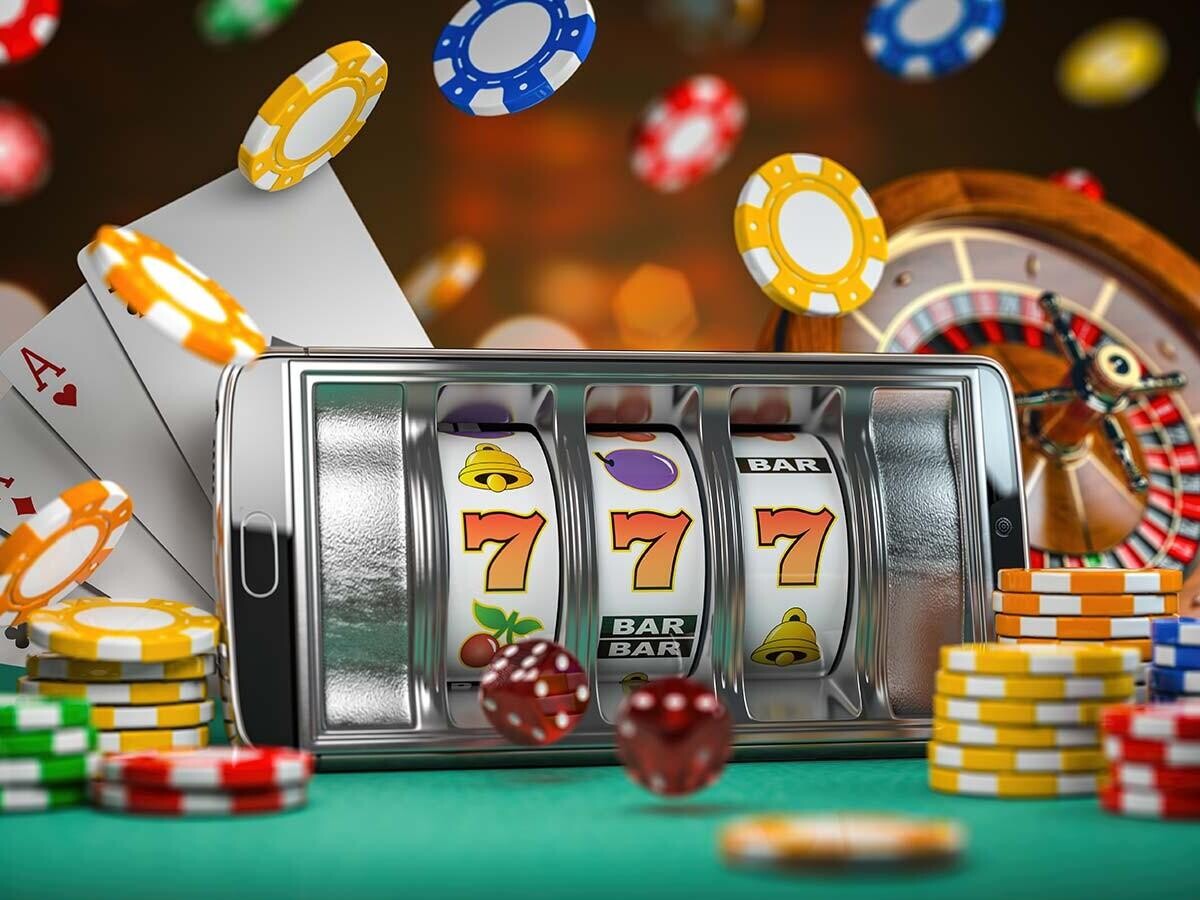
Insights and Resources on Gambling Psychology
Understanding the psychological factors behind casino games can provide valuable insights for players and operators alike. Websites dedicated to gambling knowledge offer extensive resources, enabling individuals to make informed choices and better understand their behaviors. By exploring these insights, players can cultivate a healthier relationship with gambling, balancing enjoyment with awareness of its potential risks.
Many sites provide information about responsible gambling practices, helping players navigate their experiences without falling into addictive patterns. Such resources are essential for fostering a culture of responsible gaming, ensuring that the excitement of casino games can be enjoyed safely and sustainably.