
The journey through the evolution of casinos From ancient games to modern marvels
The journey through the evolution of casinos From ancient games to modern marvels
The Origins of Gaming: Ancient Civilizations
The concept of gaming dates back to ancient civilizations, where the act of playing games was often tied to religious and cultural practices. The earliest forms of gambling can be traced to ancient China, where games of chance involving tiles were played around 2300 BC. Similarly, in ancient Egypt, artifacts such as dice and gaming boards have been uncovered, indicating that games were a popular pastime. In the context of today’s gaming world, players are increasingly looking for a fast withdrawal casino to enjoy their winnings without delay.

In Rome, gambling was closely associated with entertainment and social gatherings, with various games of chance enjoyed by the elite and the common people alike. These early forms of gambling laid the groundwork for the organized games we see in modern casinos, illustrating humanity’s long-standing fascination with luck and chance.
The Middle Ages: The Rise of Formal Gambling
The Middle Ages saw the emergence of more structured gambling activities, with the establishment of rules and regulations governing various games. In Europe, the popularity of card games began to rise, leading to the creation of formal gambling houses. These early establishments were often located in urban centers, where patrons could gather to partake in games of chance.
This period also saw the development of gambling as a social phenomenon, with establishments offering not just games but also a space for social interaction. The infusion of gambling into cultural practices continued to grow, laying the foundation for the modern casino experience where social and gaming elements are intertwined.
The Birth of Modern Casinos: 17th to 19th Century
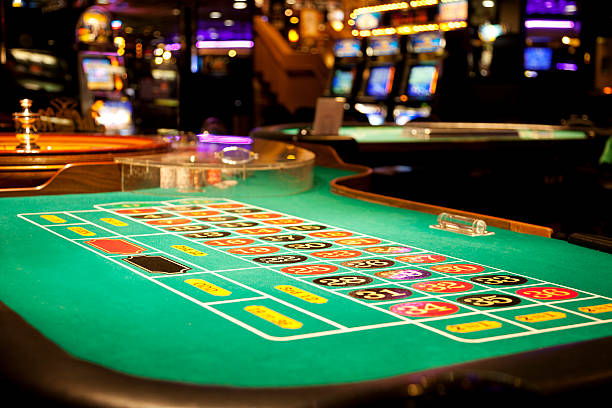
The 17th century marked a significant turning point in the evolution of casinos with the establishment of the first official gambling houses. The Casino di Venezia, founded in Italy in 1638, is often recognized as the world’s oldest casino. These establishments began to offer a range of games, including roulette, which would eventually become a staple in modern casinos.
The Technological Revolution: Casinos in the Digital Age
The late 20th century ushered in the digital revolution, fundamentally altering the landscape of gambling. Online casinos began to emerge in the 1990s, allowing players to engage in gaming from the comfort of their homes. This shift not only expanded the accessibility of gambling but also diversified the types of games available to players.
The introduction of mobile gaming apps further revolutionized the industry, enabling players to gamble anytime and anywhere. Moreover, the integration of cryptocurrencies into online casinos has introduced a new dimension to gaming, enhancing security and speed in transactions while catering to a tech-savvy audience.
The Future of Casinos: Trends and Insights
Today, the casino industry continues to evolve, embracing innovations such as virtual reality and artificial intelligence to enhance user experiences. The focus on player convenience, such as fast withdrawal options and improved security measures, remains paramount as operators seek to build trust and loyalty among their clientele.
As gaming becomes increasingly integrated into society, platforms that provide insights into these developments are essential. They help players navigate the evolving landscape of casinos, ensuring informed choices while promoting responsible gambling practices. This ongoing evolution promises to deliver exciting experiences for gamers around the world, creating a vibrant future for the casino industry.
“`